


Published Aug 11, 2026· Updated Sep 24, 2026
Neck Exercises for Wrestling — How to Strengthen Your Neck for Wrestling
Wrestling is one of the most physically demanding sports in the world. Every match places tremendous stress on the neck as athletes battle for position, defend takedowns, fight out of holds, and maintain control against an opponent's force.
Many successful athletes dedicate time each week to a wrestling neck workout because they understand the importance of developing a powerful wrestler neck. Strong neck muscles help absorb force, protect against injury, and improve performance on the mat.
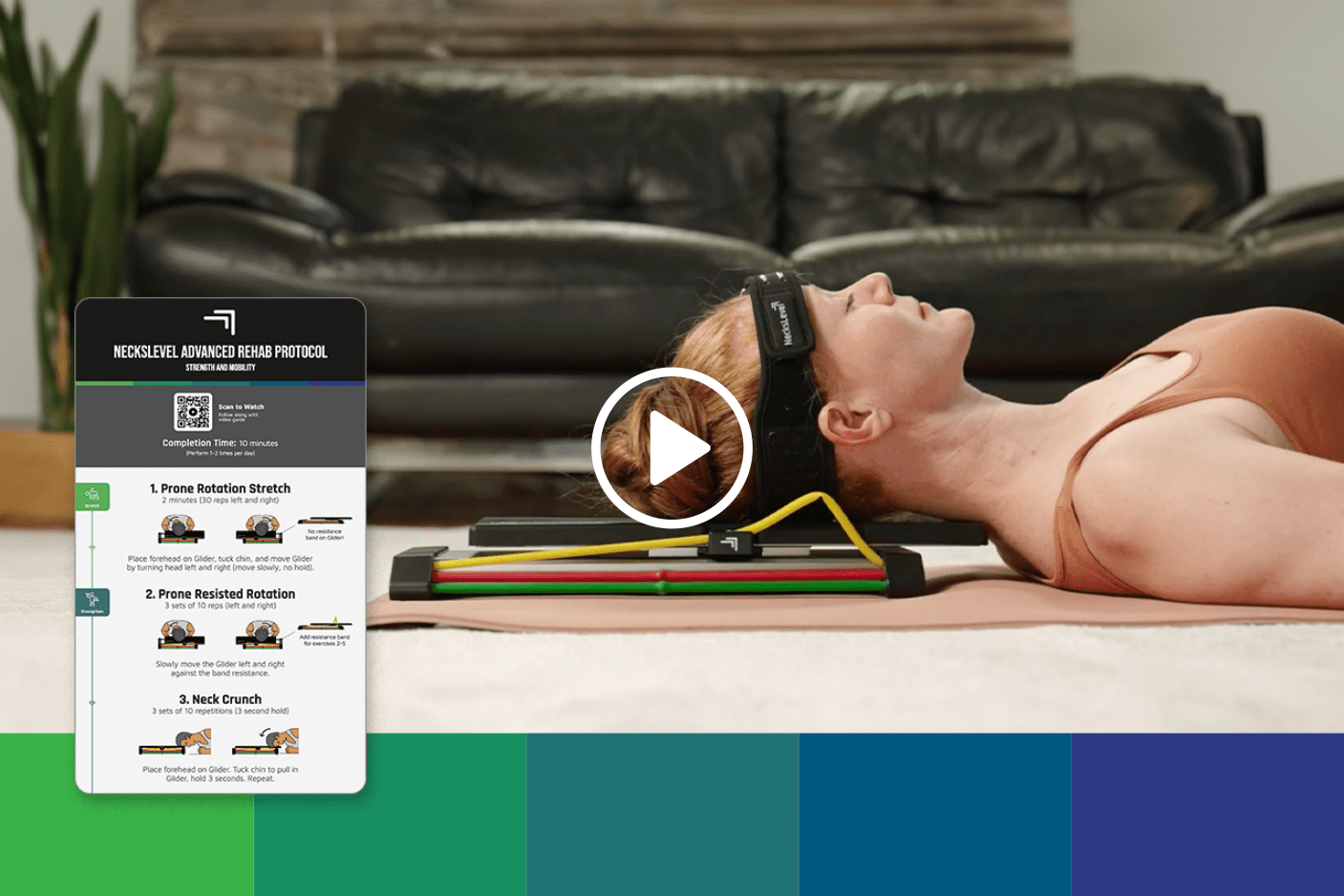
In recent years, wrestlers have also started incorporating specialized neck training and mobility tools into their routines. Products like the NecksLevel Glide allow athletes to train neck strength, build endurance, and support recovery alongside traditional exercises.
This guide explores the benefits of wrestling neck training, the key muscles involved, and the best neck exercises for wrestlers who want to improve performance while reducing the risk of injury.
Modern tools like the NecksLevel Glide support guided resistance and smooth movement patterns, but there are also many traditional exercises that build powerful and resilient neck muscles. Understanding both approaches helps wrestlers build a complete training program.

Why Wrestling Places Unique Demands on the Neck
Few sports challenge the neck as frequently as wrestling. During a match, athletes constantly push, pull, rotate, and resist force through the head and neck. The cervical spine must remain stable while under constant, unpredictable pressure.
A strong wrestling neck helps athletes maintain posture when opponents attempt snap downs, collar ties, front headlocks, and other controlling positions. Neck strength also becomes critical during scrambles, when quick, forceful movements place sudden demand on the cervical muscles.
The development of a wrestler neck goes beyond appearance. It is about building functional strength that transfers directly to competition.
Key Muscles Involved in Strengthening the Neck for Wrestling
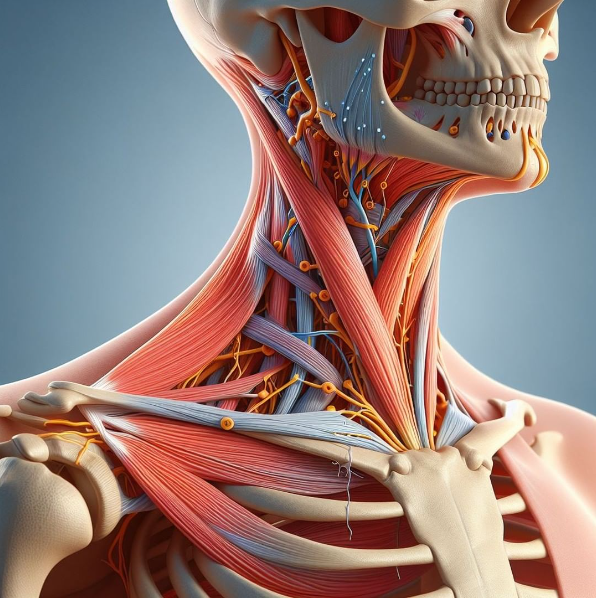
The neck consists of multiple muscle groups that work together to stabilize and move the head. Effective neck wrestling training should target all of these areas rather than focusing on only one movement pattern.
The primary muscles involved include:
- Deep neck flexors
- Cervical extensors
- Sternocleidomastoid muscles
- Upper trapezius
- Levator scapulae
- Suboccipital muscles
These muscles help wrestlers maintain posture, absorb force, rotate the head, resist pressure, and protect the cervical spine throughout training and competition.
When these muscle groups are developed evenly, athletes experience better control, improved stability, and reduced vulnerability to injury.
Benefits of a Wrestling Neck Workout
A dedicated wrestling neck workout offers benefits that extend far beyond strength alone. Consistent neck training can improve overall athletic performance and help athletes remain healthier throughout the season.
Some of the primary benefits include:
- Improved posture during collar ties and hand fighting
- Better resistance against snap downs and front headlocks
- Increased stability during scrambles and takedown defense
- Enhanced protection for the cervical spine
- Reduced risk of neck strains and muscular imbalances
As neck strength increases, athletes often notice improved control during difficult positions and greater resilience when matches become physically demanding.
Beginner Neck Exercises for Wrestling
Chin Tucks
Chin tucks are one of the most effective beginner neck exercises for wrestlers. This movement strengthens the deep neck flexors, which play a major role in maintaining proper posture.
Sit or stand upright and gently draw the chin backward while keeping the eyes level. Hold the position briefly before returning to the starting position.
Beginners should focus on developing control before progressing to more demanding exercises. This is especially important for athletes who have experienced neck stiffness or discomfort from wrestling.
This simple exercise teaches proper alignment and develops foundational neck stability.

Isometric Neck Holds
Isometric exercises build strength without excessive movement.
Wrestlers can place a hand against the forehead and gently push into it while resisting with the neck.
The same concept can be performed from the sides and back of the head.
These holds strengthen the neck safely while improving overall stability.

Intermediate Wrestling Neck Exercises
Neck Flexion
Neck flexion strengthens the front of the neck and improves resistance against forward pressure.
While lying on your back on a bench or stable surface, slowly lift the head forward through a controlled range of motion. The movement should be smooth and deliberate rather than explosive.
Neck Extension
Neck extension strengthens the muscles on the back of the neck that help maintain posture during wrestling exchanges.
While lying on your stomach on a bench or stable surface, lift your head toward the ceiling through a controlled range of motion before allowing your neck to return to a flexed position with your chin toward your chest.
Lateral Neck Flexion
Side to side strength is critical for wrestlers because opponents frequently apply force from multiple directions. Lateral flexion strengthens the muscles that help resist collar ties, head pressure, and awkward positioning.
While lying on your side on a bench or stable surface, slowly lower one ear toward the same-side shoulder before slowly elevating your head toward the opposite shoulder. Repeat on both sides using slow, controlled movement.
Advanced Neck Exercises for Wrestlers
Resistance Band Neck Training
Resistance bands provide adjustable tension and allow wrestlers to strengthen the neck in multiple directions.
Attach a resistance band to a secure anchor and slowly move your head against the band's resistance through a controlled range of motion. Perform flexion, extension, and lateral flexion while maintaining slow, controlled movement.
Band training creates functional strength that transfers directly to wrestling situations.

How NecksLevel Fits Into a Wrestling Neck Workout
A complete wrestling neck workout should address strength, stability, mobility and recovery.
While traditional exercises such as chin tucks, isometric holds and resistance training remain valuable, many wrestlers benefit from adding targeted neck training devices to their routine.
The NecksLevel Glide is designed to support controlled neck movement while engaging the muscles responsible for posture and cervical stability. Because wrestling places significant stress on the neck through repeated contact and resistance, having a tool built for guided, progressive training can help athletes stay consistent.
Rather than replacing foundational exercises, it works best as part of a broader wrestler neck workout that includes strength training, mobility work and sport specific wrestling practice.

How Neck Strength Improves Wrestling Performance
The benefits of neck strength become most apparent during competition. Wrestlers with stronger necks often maintain posture more effectively and recover from difficult positions faster.
Strong cervical muscles help athletes stay balanced during scrambles, resist head control, and generate force more efficiently throughout the body. Because the head acts as a key component of overall body position, a stable neck supports better technique everywhere else.
A well developed wrestler neck can also improve confidence. Athletes often feel more comfortable attacking, defending, and scrambling when they trust their ability to withstand pressure.

Preventing Neck Stiffness from Wrestling
Neck stiffness is common among wrestlers due to the constant pulling, twisting, and pressure experienced during training.
Managing stiffness should be part of every wrestling neck workout program.
Helpful strategies include:
- Gentle mobility exercises after practice
- Controlled neck rotations
- Light stretching for the upper traps and levator muscles
- Soft tissue work and massage
Addressing stiffness early helps maintain healthy movement patterns and prevents minor discomfort from becoming a larger issue.

Final Thoughts on Neck Exercises for Wrestling
A strong neck is one of the most valuable physical assets a wrestler can develop. The demands of modern wrestling require athletes to withstand constant pressure, maintain posture under force, and protect the cervical spine through thousands of repeated exchanges.
Wrestlers today have more training options than ever before. Along with traditional wrestling neck exercises, like chin tucks and isometric holds, many athletes incorporate specialized tools like the NecksLevel Glide to support guided, consistent training.
Consistent wrestling neck exercises create a stronger wrestler neck, a more resilient athlete, and a better prepared competitor. For wrestlers looking to gain an edge on the mat, dedicated neck training is one of the smartest investments they can make.

Scott is an Orthopedic Physical Therapist specializing in neck pain with nearly a decade of clinical experience. He regularly speaks at national Physical Therapy, Athletic Training, & Chiropractic conferences.
NecksLevel Glide
“Like having a Physical Therapist in your home”
Professional neck strengthening and stretching in one compact device. Relieve neck pain while reducing neck stiffness & improving your posture.
Shop Now