
Published Jan 5, 2026· Updated Sep 24, 2026
Neck Strengthening for Brazilian Jiu Jitsu

Neck strength plays a crucial role in Brazilian Jiu Jitsu. Every training session places the cervical spine under stress due to pulling pressure, rotational force and positional control. Opponents grip behind the head to break posture, apply chokes that compress the throat and use shoulder pressure that tests your neck’s range of motion. A strong and stable neck helps protect your spine, improves your ability to defend chokes and supports powerful posture during scrambles and transitions.
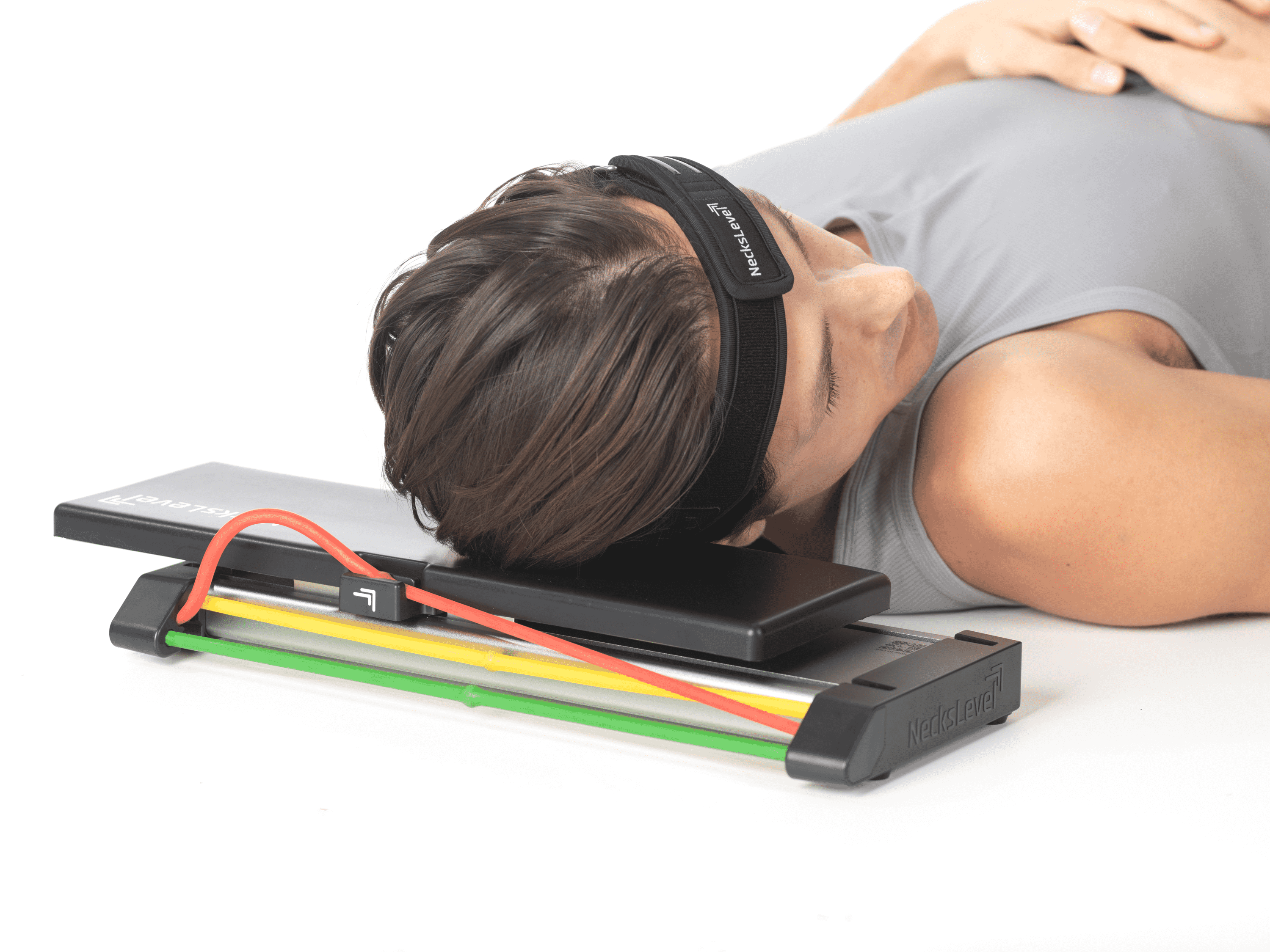
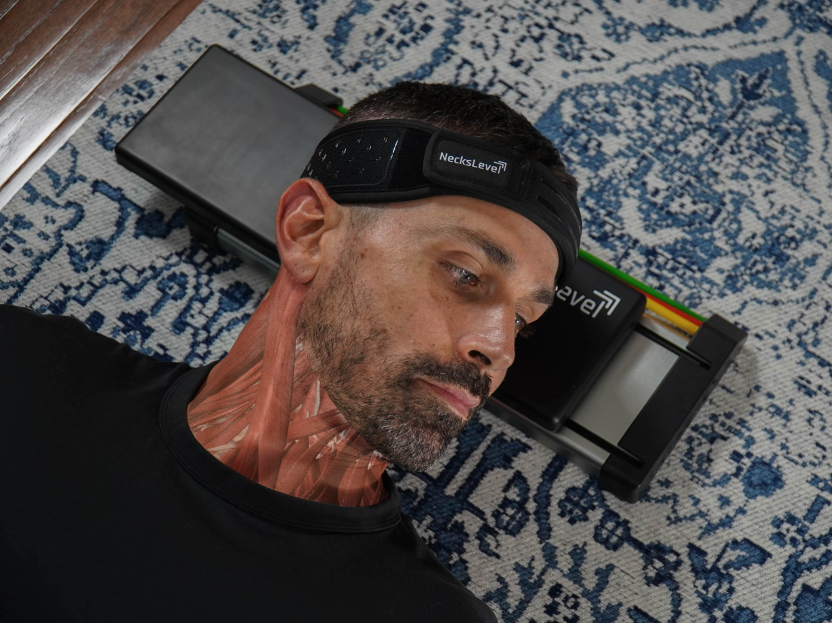
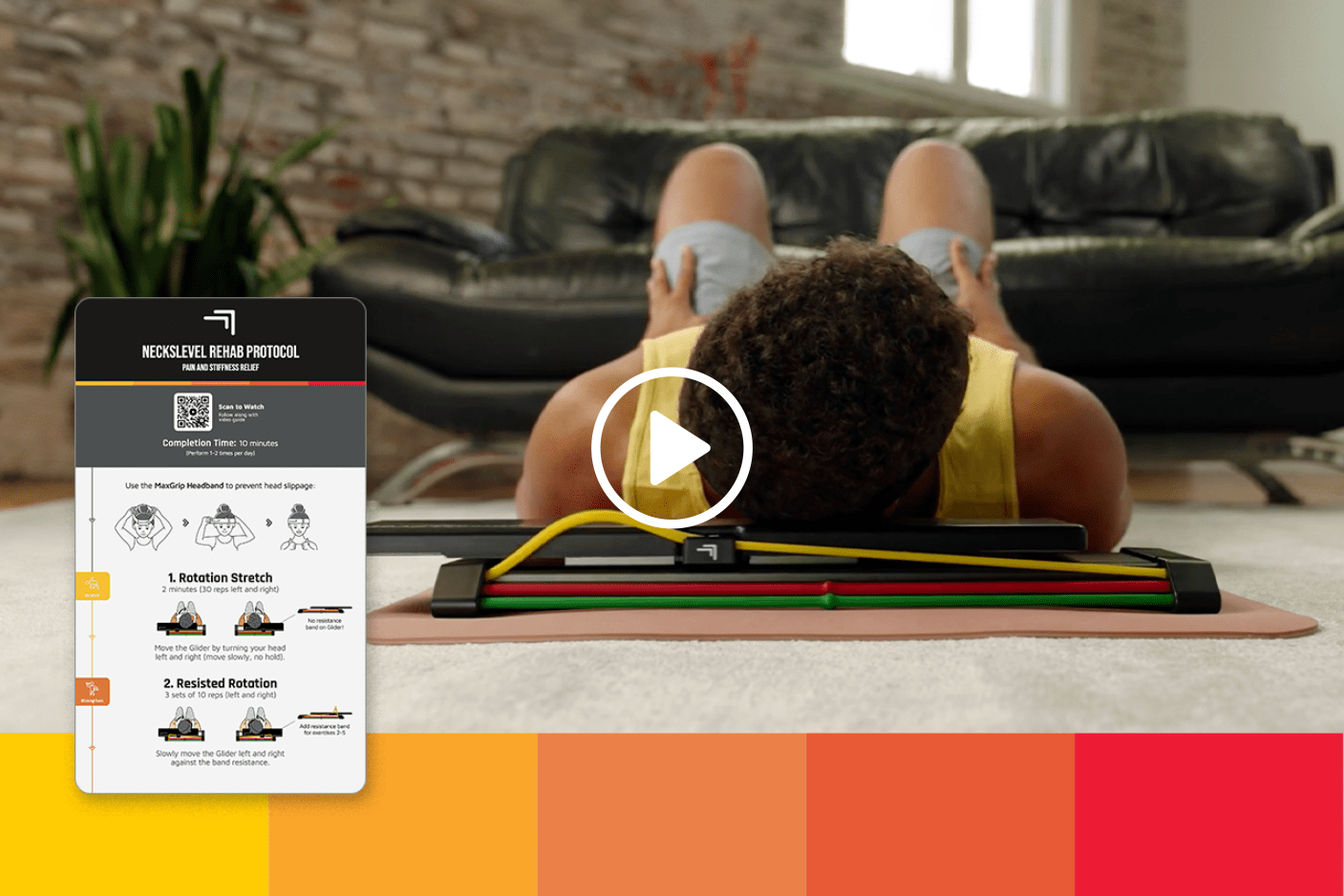
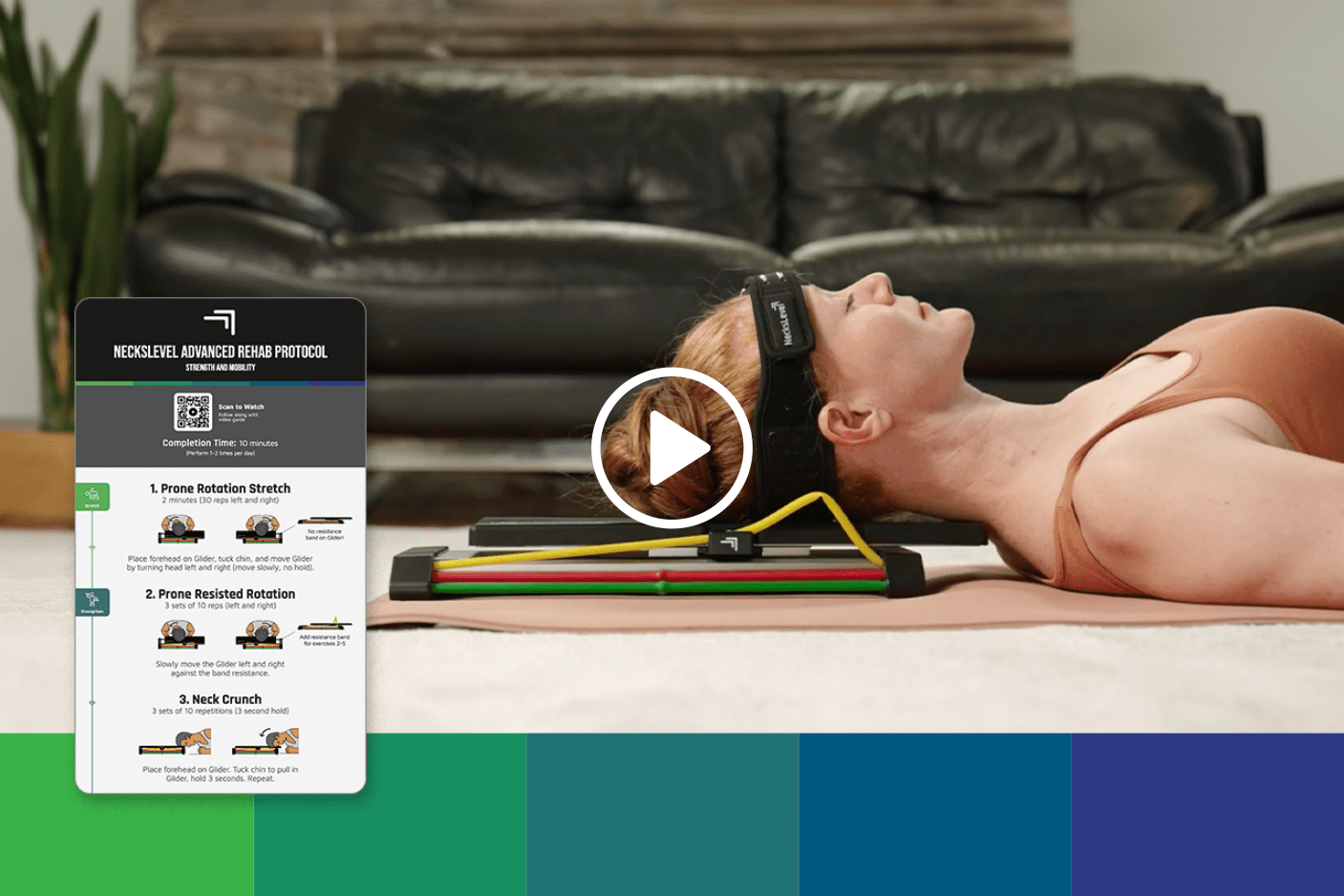
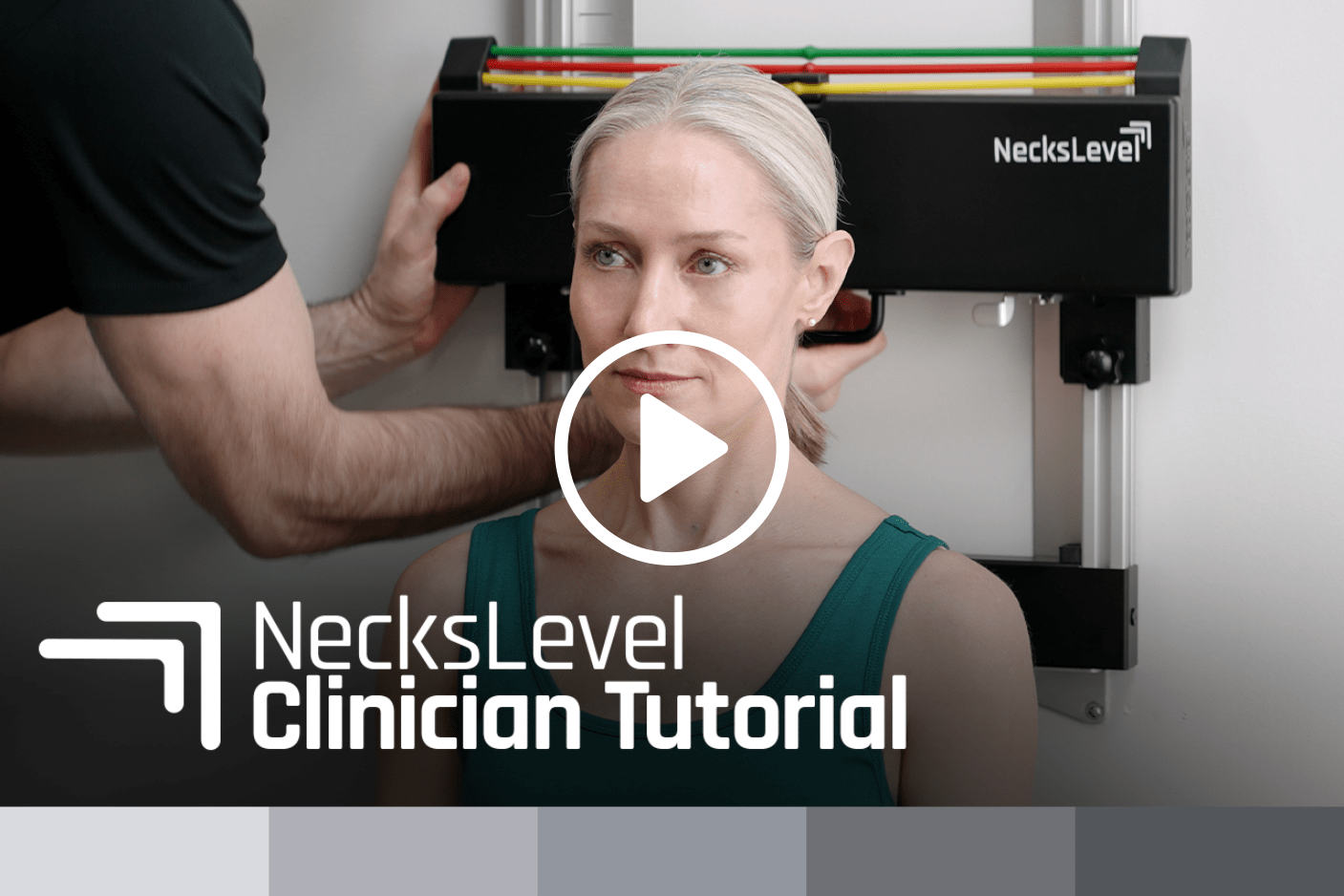
Modern tools like the NecksLevel Glide support guided resistance and smooth movement patterns, but there are also many traditional exercises that build powerful and resilient neck muscles. Understanding which exercises to include and why they matter can make a major difference in your performance and injury prevention over time.
Why Neck Strength Matters in Brazilian Jiu Jitsu
The neck experiences continuous mechanical stress during Brazilian Jiu Jitsu. Posture is challenged during guard battles, takedowns require strong cervical control and choke defense depends on the ability to maintain alignment under pressure. A weak neck collapses easily, which exposes the spine to unsafe angles. A strong neck absorbs force, stabilizes the head and supports the shoulders and upper back during heavy exchanges.
The relationship between posture and neck strength becomes obvious as soon as you try to pass a strong guard player. Without cervical strength, the spine bends forward and the opponent can gain control. When the neck is strong, the spine stays aligned and your entire body becomes more difficult to manipulate. This is one of the main reasons advanced grapplers prioritize neck training as much as core and grip work — neck strength is foundational to grappling performance.
Key Muscles to Strengthen for Jiu Jitsu Neck Development
The neck contains several important muscle groups that support posture, stability and movement during Brazilian Jiu Jitsu. All of these muscles work together to protect the cervical spine, maintain alignment during pressure, assist with head positioning during scrambles and help resist the pulling and pushing forces that occur throughout training. A balanced approach to neck development ensures that all of these muscles get the attention they need.
- Deep neck flexors
- Suboccipital muscles
- Cervical extensors
- Sternocleidomastoid muscles
- Upper trapezius
- Levator scapulae
- Scalenes
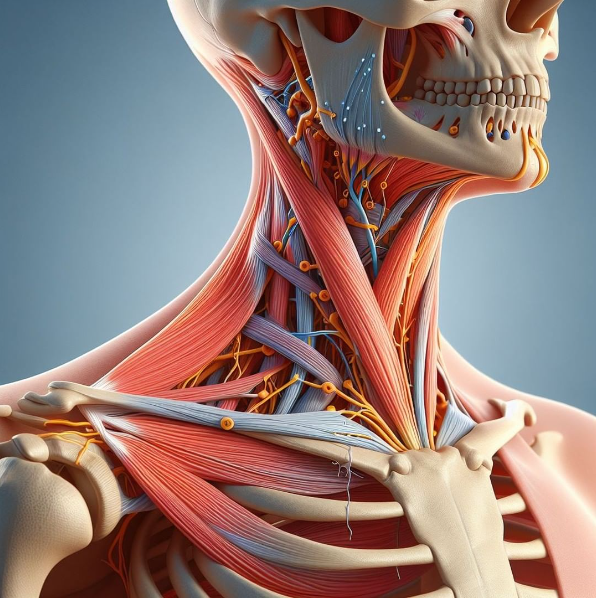
Developing balanced strength in all of these muscles improves performance and greatly reduces the likelihood of strain. Many athletes feel significant improvements in posture, movement quality and comfort once these muscles grow stronger and more coordinated.
Essential Brazilian Jiu Jitsu Neck Strengthening Exercises
Below are practical and effective exercises that directly support Brazilian Jiu Jitsu performance. These movements build both strength and stability in the muscles that protect the cervical spine. You can perform them with body weight, manual resistance, bands or a guided device such as the NecksLevel Glide.
1.Chin Tuck with Head Lift
This variation increases the challenge on the deep neck flexor muscles while also engaging larger front-of-the-neck muscles, including the sternocleidomastoid (SCM).

How to Perform
- Lie flat on your back with your head relaxed against the floor or mat.
- Slowly draw your chin inward, as if making a gentle “yes” nod, activating the muscles at the front of your neck.
- Maintain the chin tuck and raise your head roughly two inches off the surface. Hold this position for up to 10 seconds.
- Complete 2 to 3 sets of 10 repetitions.
Tip: Keep the chin pulled in as you lift your head. Letting it jut forward can place extra strain on the upper neck and may trigger discomfort or headaches.
2.Backwards Head Lift
This movement targets the muscles along the back of the neck that support upright posture and contribute to overall cervical stability.

How to Perform
- Lie face down and support your upper body on your elbows.
- Gently tuck your chin, then lift your head until it aligns with the rest of your spine. Hold for 10 seconds.
- Perform 2 to 3 sets of 10 repetitions.
3.Head Lift with Turn
The neck’s rotator muscles allow you to turn your head side to side. This exercise builds rotational strength while improving controlled neck movement.

How to Perform
- Lie on your stomach with your elbows propping up your chest.
- Engage a chin tuck and lift your head so it stays level with your spine.
- Slowly rotate your head to the left and then to the right in a controlled motion while keeping it lifted.
- Complete 2 to 3 sets of 10 repetitions, counting one full left-and-right rotation as one rep.
4.Sideways Head Lift
This exercise strengthens the muscles responsible for side bending by challenging them against gravity while lying on your side.

How to Perform
- Lie on one side with your head resting comfortably.
- Tuck your chin slightly and lift your head so it stays in line with your spine. Hold the position for 10 seconds.
- Perform 2 to 3 sets of 10 repetitions on each side.
Stability Training for Brazilian Jiu Jitsu Neck Control
Stability training focuses on the ability to maintain alignment during unpredictable grappling exchanges. Brazilian Jiu Jitsu constantly challenges the neck with sudden pulls, collar grips and force applied in multiple directions. Stability work ensures the neck can absorb these demands without collapsing or losing position.
Stability becomes especially important during scrambles. When the neck is stable, the head moves in harmony with the torso and helps maintain overall posture. This reduces the risk of whiplash style stress and makes transitions smoother and safer. Stability also contributes to better takedown control because a stable neck allows athletes to resist snapping motions and directional pulls.
Mobility Training for Jiu Jitsu Neck Health
Mobility plays a large role in long term comfort and performance. Brazilian Jiu Jitsu positions often create tightness in the traps, levator muscles and tissues near the base of the skull. Without proper mobility training, stiffness accumulates and limits the ability of the neck to move freely. This can lead to discomfort during rolls and reduced ability to create angles during escapes.
- Gentle circular movements help restore motion in the upper cervical joints
- Controlled rotation improves movement quality and reduces tightness
- Light stretching after training helps relieve tension from collar grips and pressure attacks

Mobility sessions also help enhance recovery after heavy training days.
How Often to Perform BJJ Neck Strengthening
Neck training should be consistent but controlled. Short sessions performed several times per week provide excellent results. This approach builds strength and stability without overwhelming the cervical spine. Many athletes include neck work at the end of regular training sessions so the neck receives focused attention without interfering with major technique work.
Alternating strength days and mobility days also supports long term progress. Over time, the neck becomes more resilient and more capable of handling long training rounds and intense rolling sessions.
Fixing Neck Stiffness in Brazilian Jiu Jitsu
Neck stiffness often appears during and after Brazilian Jiu Jitsu due to the constant pressure, pulling and rotational force placed on the cervical spine. Many athletes feel tightness after defending guillotines, resisting posture breaks or absorbing top pressure during passing exchanges. When stiffness sets in, the muscles surrounding the neck lose flexibility and begin to restrict natural movement. Addressing this early keeps athletes comfortable and helps maintain consistent performance on the mats.
- Gentle movement during training helps reduce stiffness as it develops
- Slow controlled breathing helps relax the cervical muscles during intense positions
- Light stretching after training allows the muscles to return to a neutral resting state
- Mobility work improves circulation and releases tension created by collar grips
- Guided motion tools such as the NecksLevel Glide support smooth mobility without excessive strain

During training, athletes can manage stiffness by keeping their shoulders relaxed, engaging the deep neck flexors and avoiding unnecessary force during pulls and frames. After training, simple rotation, side bending and nodding movements help restore natural mobility. Warm baths, light self massage and consistent mobility sessions also help reduce accumulated tension. The NecksLevel Glide can also support recovery by providing smooth guided motion that helps release tension in the cervical muscles.
Conclusion — Neck Training for Brazilian Jiu Jitsu
A strong and well trained neck is one of the most important assets for Brazilian Jiu Jitsu athletes. It protects the spine, improves posture and enhances performance in every position. When athletes combine foundational exercises with advanced stability work and guided resistance tools such as the NecksLevel Glide, they create a complete and effective training approach that supports long term health and grappling excellence.

Scott is an Orthopedic Physical Therapist specializing in neck pain with nearly a decade of clinical experience. He regularly speaks at national Physical Therapy, Athletic Training, & Chiropractic conferences on neck injuries & rehab in sport.
NecksLevel Glide
“Like having a Physical Therapist in your home”
Professional neck strengthening and stretching in one compact device. Relieve neck pain while reducing neck stiffness & improving your posture.
Shop Now