


Published May 15, 2026· Updated Sep 25, 2026
Muscle Spasms in the Neck — Causes and Solutions

Muscle spasms in the neck are one of the most common yet misunderstood sources of discomfort in modern life. A sudden neck spasm can interrupt your routine, limit your range of motion, and create lingering stiffness that affects productivity and rest. While a muscle spasm in the neck may seem minor at first, recurring episodes often signal deeper issues tied to posture, stress, and muscle imbalance.
Unlike general soreness, a neck muscle spasm is more abrupt and intense. It often appears without warning, tightening the neck muscle and restricting movement. Some people experience neck twitching or muscle twitching in the neck before a full spasm develops, which can act as an early warning sign.
The good news is that understanding what causes neck spasms and how to address them can significantly reduce their frequency and severity. There are many ways to cure neck spasms, and with the right combination of awareness, prevention, and neck strengthening treatment from devices like the NecksLevel Glide, long term relief is achievable.
What Causes Neck Spasms
Posture Related Neck Muscle Spasm Triggers
Poor posture is one of the leading cervical spasm causes and a major reason behind muscle spasms in neck areas. When the head shifts forward, even slightly, the neck muscle is forced to support additional strain.
Over time, this imbalance creates fatigue and tension buildup. Eventually, the muscle responds with a neck spasm as a protective mechanism.
Common posture related triggers include:
- Forward head position while using devices
- Slouching while sitting for extended periods
- Improper workstation setup
- Lack of back and neck support
These habits may seem harmless in the moment, yet they are among the most consistent neck spasm causes.
Muscle Spasm in Neck from Overuse
A muscle spasm in the neck often develops from repetitive strain. When the same muscles are used repeatedly without adequate recovery, they become fatigued and prone to sudden tightening.
This type of strain is common in both physical and sedentary environments. Whether lifting, typing, or maintaining a fixed position, the neck muscle can become overworked.

Key contributors include:
- Repetitive head turning or tilting
- Long periods of static posture
- Sudden awkward movements
- Lack of proper warm up before activity
Stress Driven Neck Muscle Spasms
Stress is a powerful but often overlooked factor in muscle spasms in the neck. Emotional tension frequently manifests physically, especially in the upper body.
Many individuals carry stress in their neck muscles without realizing it. This constant tension can lead to muscle twitching in the neck, followed by a full spasm if not addressed.
Signs of stress related neck issues include:
- Tightness in the shoulders and neck
- Frequent neck twitching
- Sudden onset of stiffness during stressful periods
- Recurring muscle spasms in neck areas
Sleep Related Neck Cramp Causes
Sleep plays a critical role in neck health. A neck cramp from sleeping issues often stems from poor alignment during the night.
When the neck is not properly supported, the muscles are forced into unnatural positions for hours. This can lead to waking up with a severe neck cramp.
Common sleep related causes include:
- Incorrect pillow height
- Sleeping on the stomach
- Twisting the neck during sleep
- Lack of proper mattress support
A neck cramp after sleeping is often a sign that adjustments to your sleep setup are needed.
Injury and Sudden Neck Spasm Causes
Injuries, even minor ones, can trigger a neck spasm almost instantly. Sudden movements, awkward positioning, or impacts can strain the neck muscle and lead to immediate tightening.
This includes:
- Whiplash from sudden motion
- Minor strains during exercise
- Lifting heavy objects incorrectly
- Rapid head movements
How to Relieve, Treat, and Prevent Muscle Spasms in the Neck
Immediate Neck Spasm Treatment
When a spasm occurs, immediate care can help reduce discomfort and prevent worsening symptoms. The goal is to relax the muscle and restore movement without causing further strain.
Applying heat is one of the most effective approaches. Heat increases circulation and helps the neck muscle release tension.
Quick relief strategies include:
- Applying a warm compress for 15 to 20 minutes
- Gently stretching the neck in pain free directions
- Avoiding sudden or forceful movements
- Resting the affected area while maintaining light mobility
Long Term Neck Spasm Support
For recurring issues, cervical spasm treatment must go beyond temporary relief. Strengthening and conditioning the neck muscle is essential for long term improvement.
Physical therapy is often recommended to address muscle imbalances and improve flexibility. Massage therapy can also help release tension and enhance circulation.
In some cases, additional neck spasm treatment options may include guided exercise programs or posture correction strategies. The focus is always on reducing strain and improving overall function.

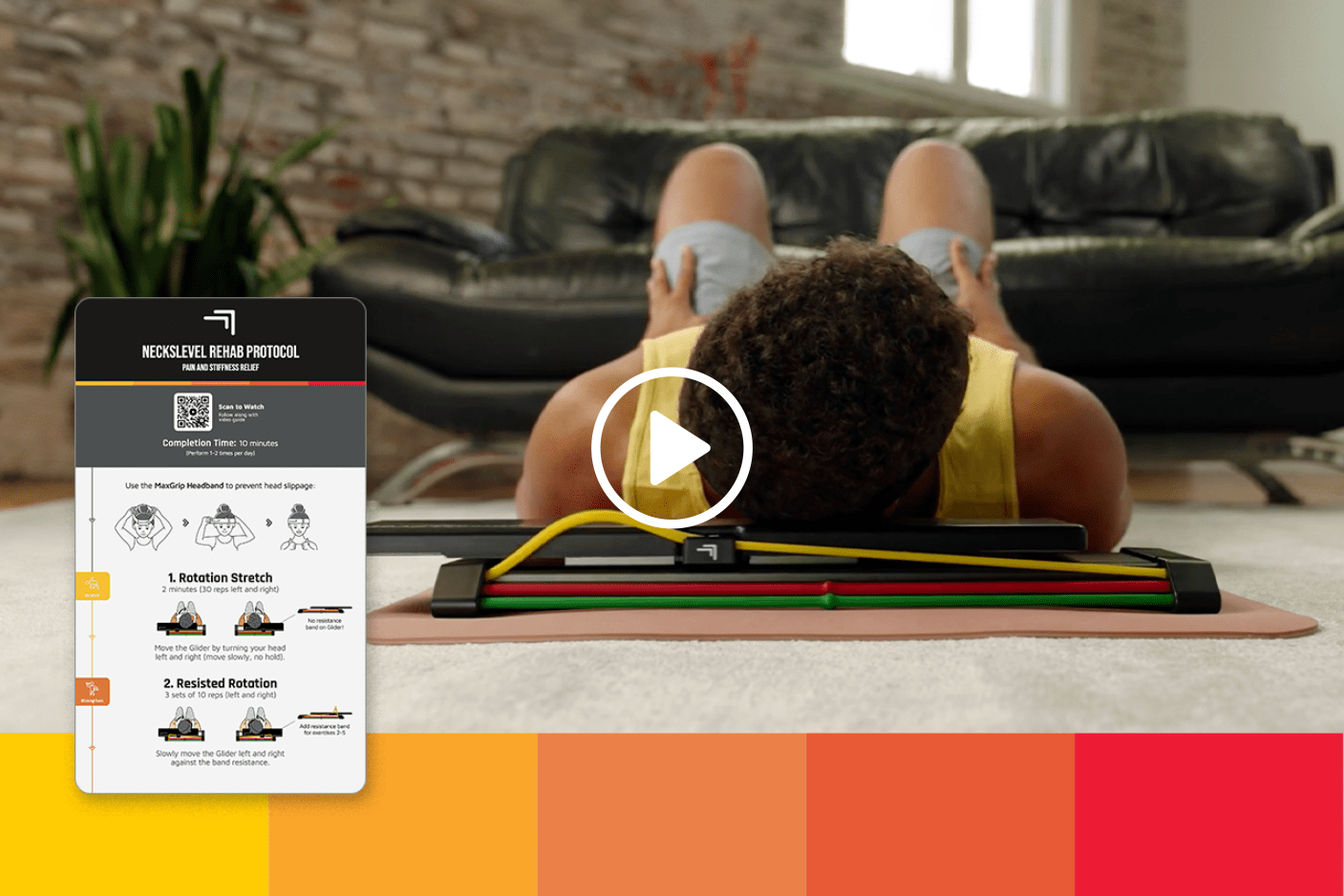
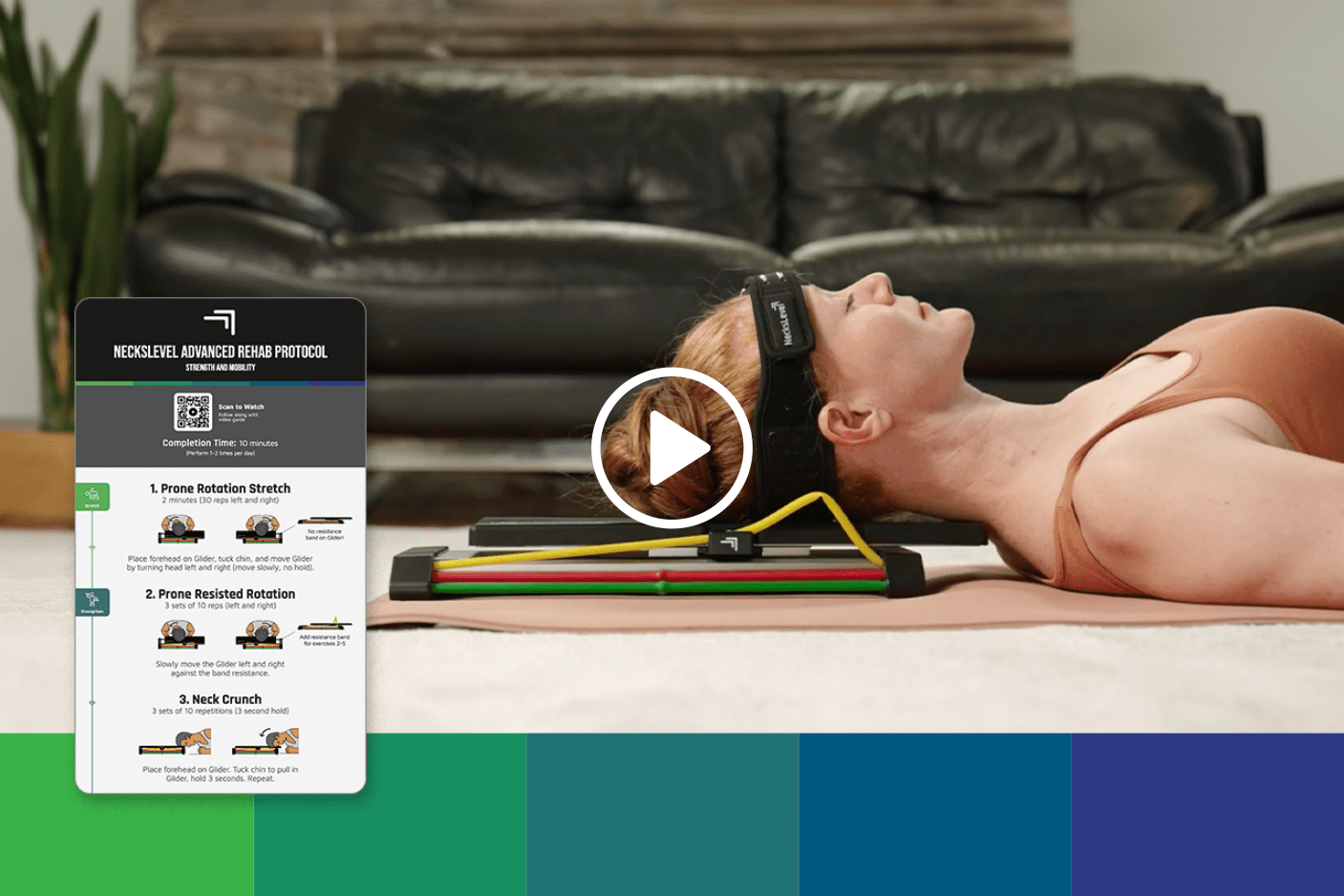
For individuals experiencing recurring neck spasms, consistent support can make a meaningful difference. Devices like the NecksLevel Glide are designed to improve posture, strengthen the neck, and reduce strain on the neck muscle throughout the day.
By promoting proper alignment, the NecksLevel Glide helps address many of the underlying neck spasm causes. This makes it a valuable addition to any routine focused on reducing muscle spasms in the neck.
Improving Posture to Prevent Neck Muscle Spasm and Constant Neck Cramps
Posture correction is one of the most effective ways to prevent a neck muscle spasm. Small adjustments in daily positioning can significantly reduce strain on the neck muscle.
This includes aligning the head with the spine, keeping screens at eye level, and using supportive seating. Over time, these adjustments become natural and reduce the likelihood of future issues.
Avoid Neck Cramping by Fixing Sleeping Habits
Improving sleep positioning is critical for preventing neck cramps. A supportive pillow that maintains proper alignment can make a significant difference.
Avoiding stomach sleeping and ensuring the neck remains neutral throughout the night can reduce the risk of waking up with discomfort.
Better sleep habits can prevent:
- Neck cramp after sleeping
- Neck cramp on left or right side
- Morning stiffness and limited mobility
Stress Management to Reduce Neck Spasm
Managing stress is essential for preventing tension related neck spasms. Relaxation techniques such as deep breathing, stretching, and regular physical activity can help release built up tension.
Reducing stress can decrease:
- Neck twitching
- Muscle twitching in the neck
- Recurring neck spasm symptoms
Final Thoughts on Muscle Spasms in the Neck
Muscle spasms in the neck are common, but they are not something that should be ignored or accepted as unavoidable. From understanding what causes muscle spasms in the neck to applying effective neck spasm treatment strategies, there are clear steps you can take to regain control.
Each case is unique. Some may stem from posture, others from stress or sleep habits. The key is identifying your specific triggers and addressing them consistently.
With a balanced approach that includes awareness, proper care, and supportive solutions like the NecksLevel Glide, it is possible to reduce discomfort, improve mobility, and move through daily life without the constant interruption of neck spasms.

Scott is an Orthopedic Physical Therapist specializing in neck pain with nearly a decade of clinical experience. He regularly speaks at national Physical Therapy, Athletic Training, & Chiropractic conferences on neck injuries & rehab in sport.
NecksLevel Glide
“Like having a Physical Therapist in your home”
Professional neck strengthening and stretching in one compact device. Relieve neck pain while reducing neck stiffness & improving your posture.
Shop Now


